How to Choose the Right Hairstyle for Your Face Shape: A Visual Guide
Your face shape determines which cuts complement your natural structure. Oval, square, round, oblong: here is what works for each. Here is how to introduce it into your routine without wrecking your skin barrier.
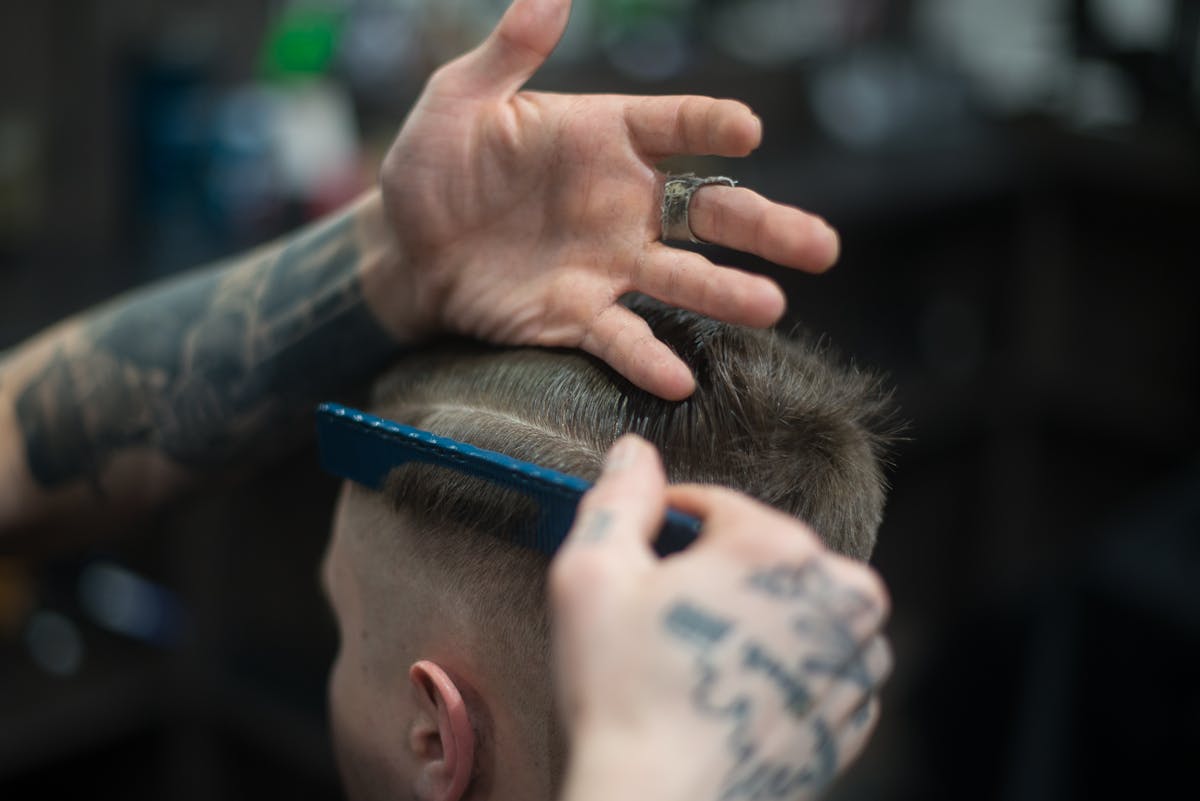
Your hairstyle is one of the fastest and most impactful changes you can make to your appearance. Unlike skincare, which takes weeks or months to show results, a great haircut transforms how you look the same day you get it. But choosing the right style starts with understanding your face shape, because the same cut that looks incredible on one person can look completely wrong on another.
Face shape is determined by the proportions between your forehead width, cheekbone width, jawline width, and face length. Most faces fall into one of six categories: oval, square, round, oblong, heart, and diamond. Each shape has haircuts that complement it and cuts that work against it.
Oval Face Shape
The oval face is considered the most versatile shape because the proportions are naturally balanced. The face is slightly longer than it is wide, with a gently rounded jawline and forehead of similar width. If you have an oval face, you have the widest range of hairstyles available to you. Textured crops, side parts, slicked-back styles, buzz cuts, and longer flowing styles all tend to work. The main thing to avoid is heavy bangs that cover your forehead and make your face appear rounder than it is.
Square Face Shape
Square faces have a strong, angular jawline with the forehead, cheekbones, and jaw at roughly equal width. This is widely considered the most classically masculine face shape. The goal with styling a square face is to complement the angles without making the face appear too boxy. Slightly longer styles on top with shorter sides work well. Textured quiffs, pompadours, and side parts add vertical dimension. Avoid very short, uniform buzz cuts, which can emphasize the boxiness without adding any counterbalance.
Round Face Shape
Round faces have soft angles with the width and length being approximately equal, full cheeks, and a rounded jawline. The strategy for round face shapes is to add height and angles. Styles with volume on top and tighter sides create the illusion of a longer, more angular face. Pompadours, quiffs with height, textured crops with lift at the front, and fades all serve this purpose. Avoid flat, center-parted styles or anything that adds width to the sides, which will exaggerate the roundness.
Oblong Face Shape
Oblong faces are notably longer than they are wide, with a long straight cheek line. The goal here is the opposite of the round face: you want to add width and reduce the perception of length. Side-swept styles, fringes, and bangs that cover some of the forehead work well. Avoid styles with excessive height on top or very tight sides, which will make an already long face appear even longer. Medium-length styles with some lateral volume strike the best balance.
Heart and Diamond Face Shapes
Heart-shaped faces have a wider forehead tapering to a narrower chin. Diamond faces are widest at the cheekbones with a narrow forehead and chin. Both shapes benefit from styles that balance the wider upper face with the narrower lower face. Medium-length styles with texture, side parts that add some width near the jaw, and styles with fringe that soften the forehead all work well. Avoid slicked-back styles that fully expose a wide forehead on heart-shaped faces.
Finding Your Shape
To determine your face shape, pull your hair back completely, look straight into a mirror, and trace the outline of your face on the mirror with a washable marker or use a photograph. Compare the outline to the descriptions above. Most faces are not perfectly one shape but lean toward one category. Use that as your starting point, then refine based on what feels right and what your barber recommends for your specific hair texture and density.
A good barber is worth their weight in gold. Bring reference photos to your appointment. Communicate what you want, ask for their professional opinion on what suits your face, and be open to their suggestions. The best hairstyle is one that works with your face shape, your hair texture, your lifestyle, and your willingness to style it daily.